How to Make Your Bedroom Feel Cozy and Relaxing
A cozy bedroom starts with a comfortable bed, soft lighting, and a space that feels calm the moment you walk in. You don't need new furniture or an expensive makeover to get that feeling.
This post may contain affiliate links. We may earn a small commission at no extra cost to you. Read our disclosure.
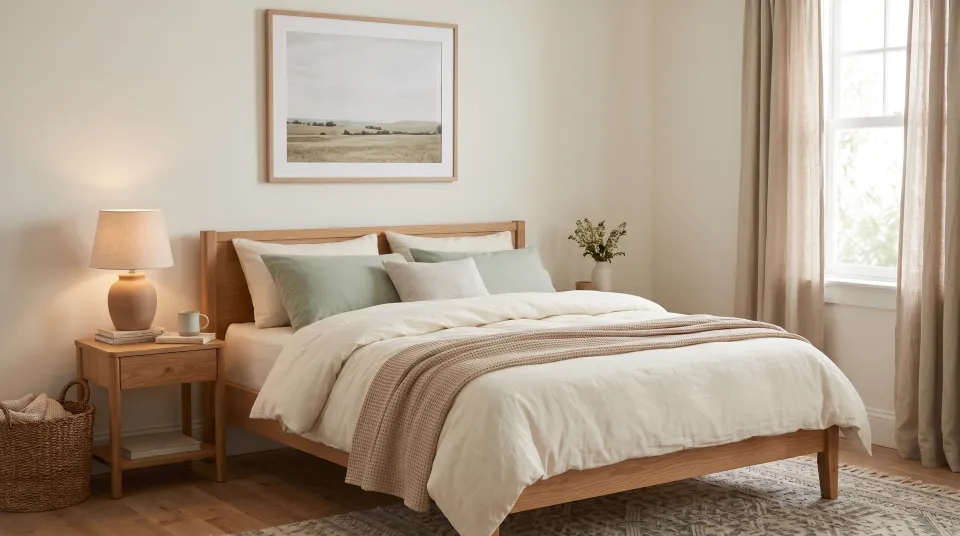
A cozy bedroom starts with a comfortable bed, soft lighting, and a space that feels calm the moment you walk in. You don't need new furniture or an expensive makeover to get that feeling. With a few thoughtful changes to your bedding, colours, lighting, and everyday clutter, you can make your bedroom feel warmer and more relaxing using things you already own.
The secret is knowing what to change first. A room filled with decorative cushions can still feel uncomfortable if the lighting is harsh or the bed doesn't suit your needs. Focus on comfort before adding more decor.
1. Start With Your Bed and Make It Feel Inviting

Your bed is the natural starting point because it takes up so much of the room and has the biggest role in how comfortable your bedroom feels.
Begin with clean sheets, a comfortable pillow arrangement, and a duvet or comforter that suits the temperature of your room. Smooth cotton bedding gives you a simple, fresh look, while linen adds a relaxed, slightly textured finish. For colder months, brushed cotton or a soft extra blanket creates a warmer feel.
Upgrade your bed's texture with the Bedsure Washed Cotton Duvet Cover Set
You don't need to match every piece perfectly. A cream duvet with a beige throw and one muted green cushion can look more interesting than a complete matching set.
How should you layer your bedding?
Start with your everyday sleeping essentials. Add a duvet or comforter, then fold a throw blanket across the foot of the bed. Finish with the pillows you actually use.
Keep decorative cushions to a manageable number. If you have to move a pile of pillows every night before getting into bed, they're making the room less practical.
Budget tip: Before buying new bedding, try rearranging the pillows and blankets you already have. A neatly folded throw and freshly changed pillowcases can give your bed a refreshed appearance without adding anything to your shopping list.
2. Use Soft Lighting Instead of Relying on One Bright Ceiling Light
Lighting changes the mood of a bedroom more quickly than many decorative accessories.
A bright ceiling light is useful when you're cleaning, organising clothes, or getting ready in the morning. In the evening, though, a bedside lamp or shaded floor lamp creates a softer atmosphere for reading and winding down.
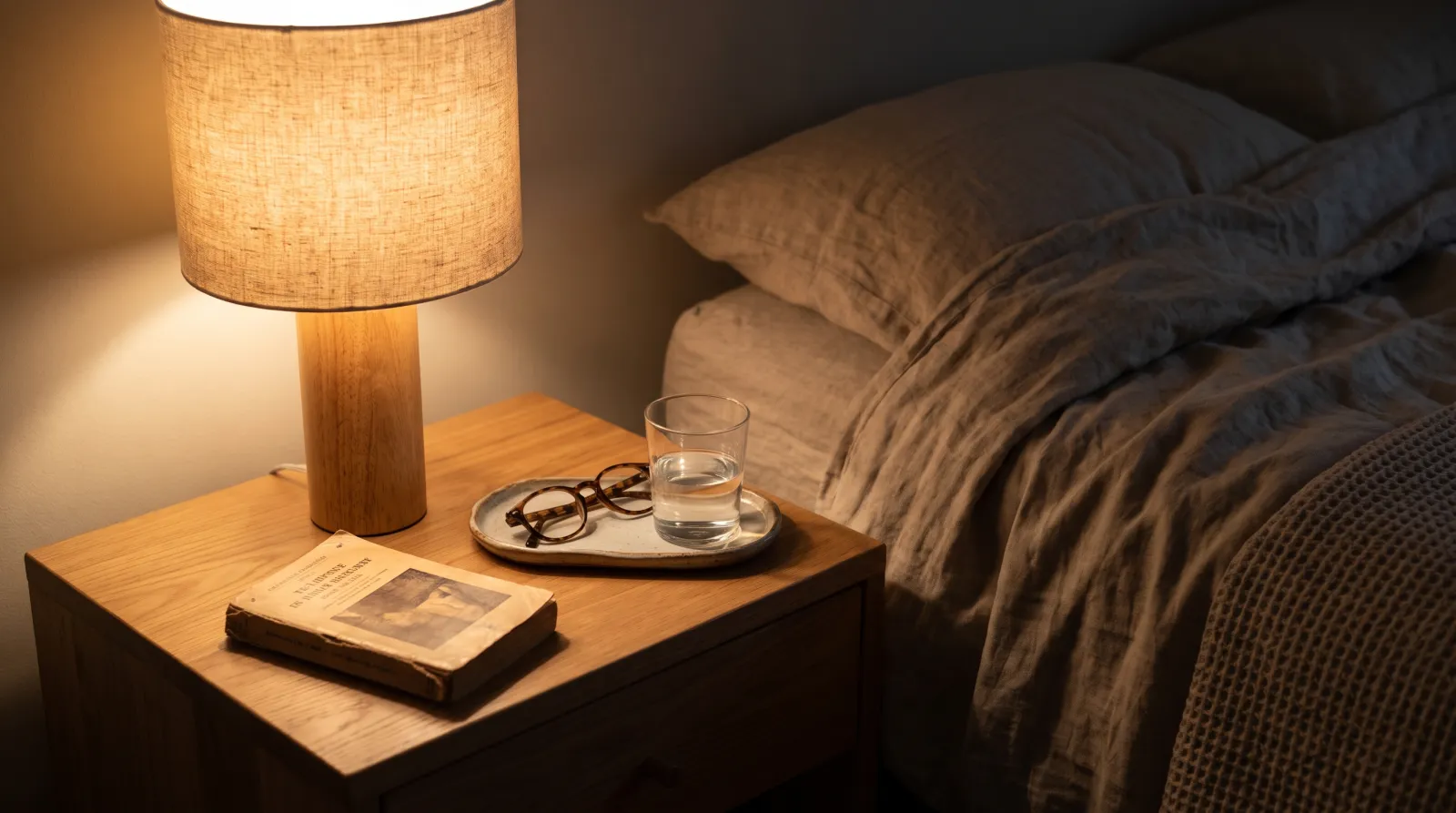
👉 Set a warm evening mood with this Dimmable Ceramic Touch Table Lamp
Choose warm-toned bulbs for your evening lighting and consider a dimmable lamp if you want to adjust the brightness. Position the light where you need it rather than illuminating every corner equally.
For example, a bedside lamp with a fabric shade works well beside a wooden nightstand. In a small bedroom, a wall-mounted reading light can provide the same function without taking up valuable surface space.
Fairy lights can add a decorative touch, but they aren't essential. One well-placed lamp is more useful than several decorative lights that don't provide enough illumination for everyday activities.
A simple change to try tonight: Turn off the main ceiling light before bed and use a bedside lamp instead. See whether the softer lighting makes the room feel more comfortable for your evening routine.
3. Choose Bedroom Colours That Feel Calm and Warm
Colour doesn't need to be complicated. A bedroom feels more cohesive when the main colours work together rather than competing for attention.
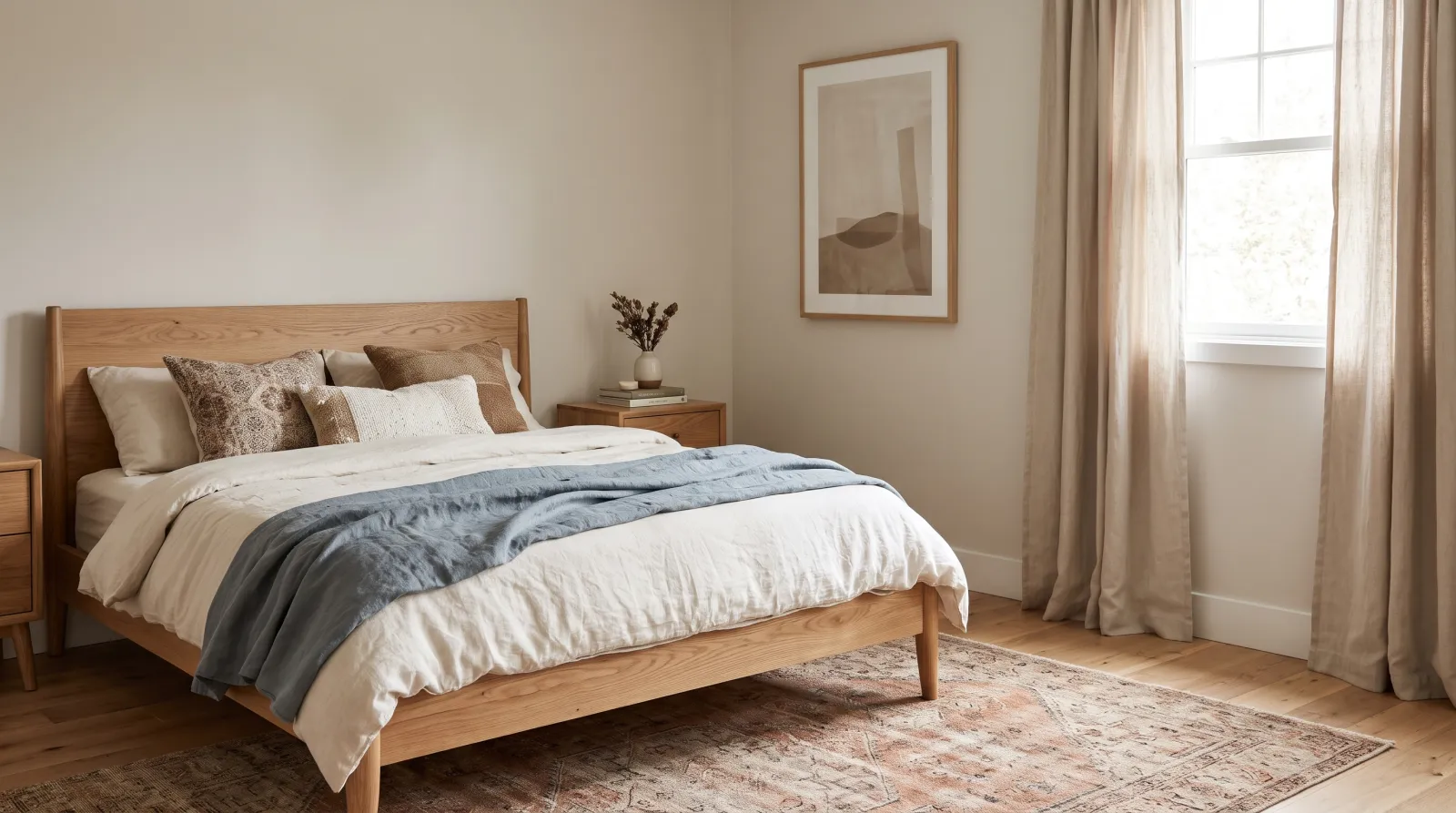
Warm white, cream, beige, taupe, soft brown, muted sage, and dusty blue are useful starting points. You can build a relaxing palette around whichever colours you already have in your furniture, flooring, or curtains.
For a warm neutral bedroom, try cream bedding, beige curtains, and natural wood accents. If you prefer colour, muted green bedding paired with off-white walls and light wood furniture offers a softer alternative.
Dark colours deserve consideration, too. Deep olive, navy, and charcoal can create an intimate atmosphere when balanced with suitable lighting and lighter textiles. You don't have to repaint every wall to introduce them.
What if you cannot repaint your bedroom?
Work with removable elements instead.
Change the duvet cover, add a cushion in your chosen accent colour, or hang artwork that connects the colours in the room. Renters can use these changes without committing to permanent alterations.
One practical rule: choose a main colour, a supporting neutral, and one accent. You can introduce patterns and different textures within that palette without making the room feel visually busy.
4. Add Texture With Blankets, Curtains, and Rugs
A bedroom can look tidy and still feel a little bare. Texture helps give the space a more comfortable, lived-in appearance.
Think about how different surfaces work together. Smooth cotton bedding looks inviting beside a knitted throw. Linen curtains soften the appearance of a window, while a textured cushion adds depth to a plain bed.
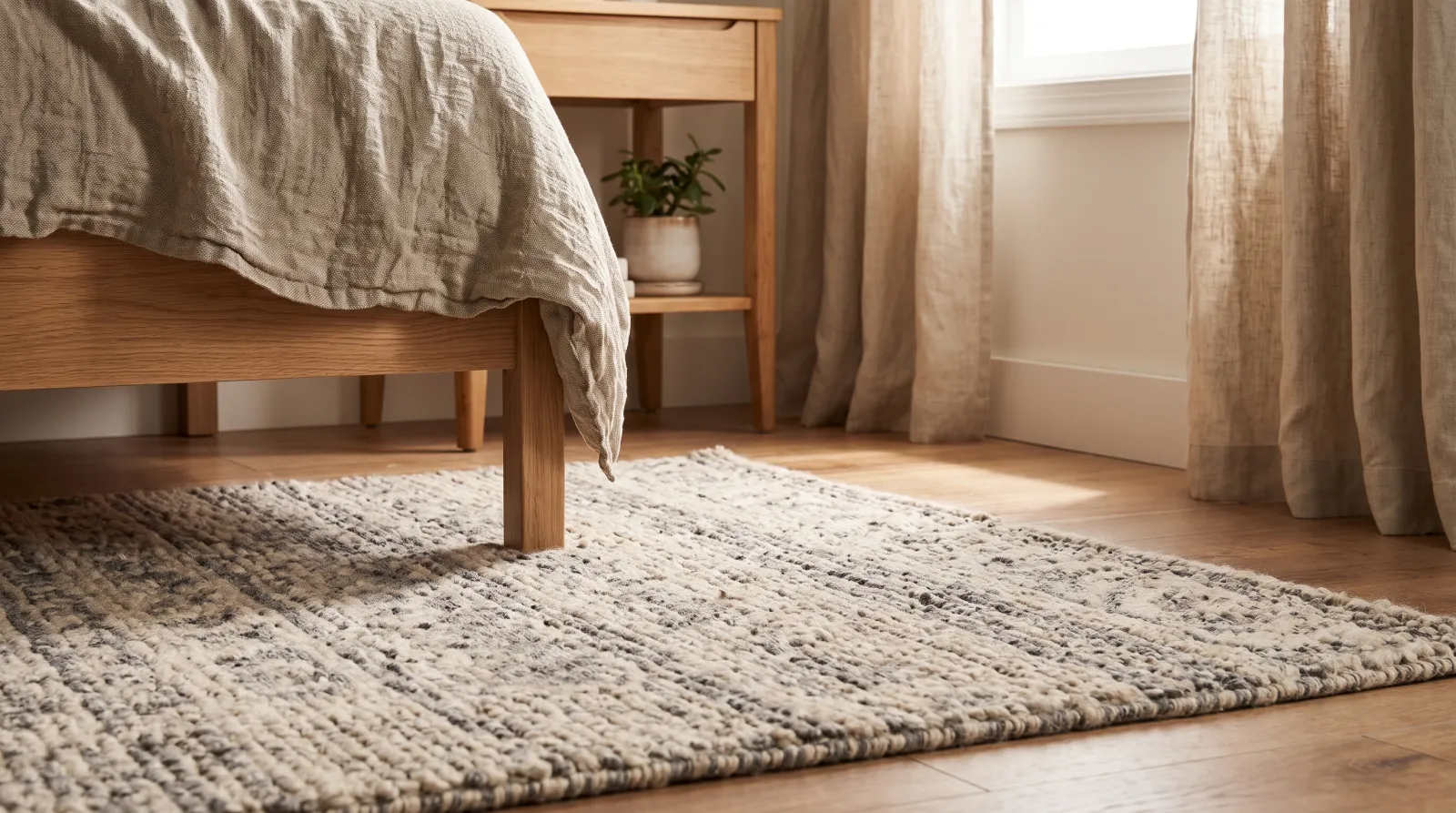
You don't need to use every texture in one room. Choose a few that complement each other.
Which textiles make the biggest difference?
Throw blankets: Drape one over the foot of the bed or fold it over a chair.
Curtains: Choose a fabric and colour that complement your bedding. Longer curtains can create a softer visual frame around the window.
Area rugs: Place a rug beside or partially beneath the bed to soften the floor where you step out of bed.
Cushions: Mix a couple of different textures instead of filling the bed with decorative pillows.
In bedrooms with tile or wood flooring, a bedside rug is particularly useful if you dislike stepping onto a cold, hard surface in the morning. Use a suitable non-slip backing to help keep it in place.
For warmer weather, choose lightweight textiles you can easily wash and remove. Cozy doesn't have to mean heavy blankets all year.
[INTERNAL LINK: How to Decorate a Small Kitchen Without Making It Feel Cluttered]
5. Make a Small Bedroom Feel Cozy Without Crowding It
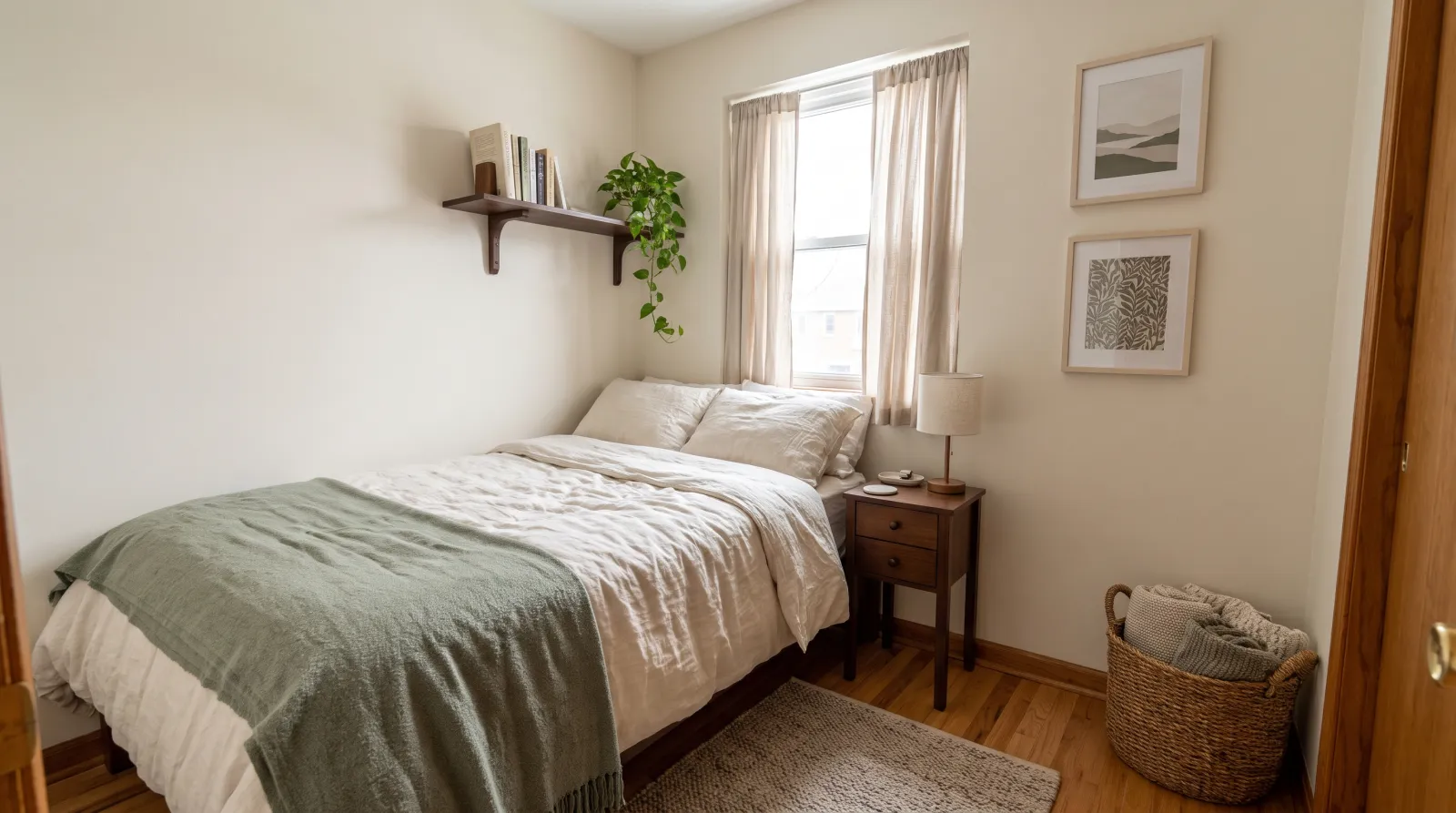
A small bedroom doesn't need more furniture to feel comfortable. It needs enough softness and personality without losing the space you use every day.
Start by looking at the walking paths around your bed. Can you get to the wardrobe easily? Is the bedside table difficult to reach? Does a chair collect clothes because there's nowhere else to put them?
Fix these practical problems before adding accessories.
Use wall-mounted shelves or artwork when floor space is limited. A compact bedside table with a drawer can keep everyday essentials out of sight, while a basket gives spare blankets or cushions a designated home.
Choose bedding and curtains that complement one another rather than introducing a new colour with every item. This helps the room feel connected without requiring a completely neutral scheme.
You can also make a small bedroom feel more personal through one or two meaningful details, such as a framed photograph, a favourite book, or a piece of artwork.
What to avoid: Buying a large accent chair, oversized bedside tables, or multiple floor decorations simply because they look attractive in inspiration photos. If an item blocks movement or makes cleaning harder, it isn't helping your bedroom feel relaxing.
[INTERNAL LINK: Modern Organic Home Decor Ideas for a Warm, Natural Home]
6. Reduce Visible Clutter Before Buying More Decor
Sometimes, the missing ingredient isn't another throw blanket. It's less stuff.
Clothes on a chair, skincare products spread across a dresser, tangled charging cables, and stacks of miscellaneous items can make a bedroom feel unfinished even when the colour scheme is lovely.
Spend a few minutes clearing the surfaces you see first when you enter the room. Keep the bedside table functional, put away clothes that aren't being worn, and move items that belong in other rooms.
You don't have to hide everything. A book, a small tray, or a favourite decorative object can stay on display if it has a clear place.
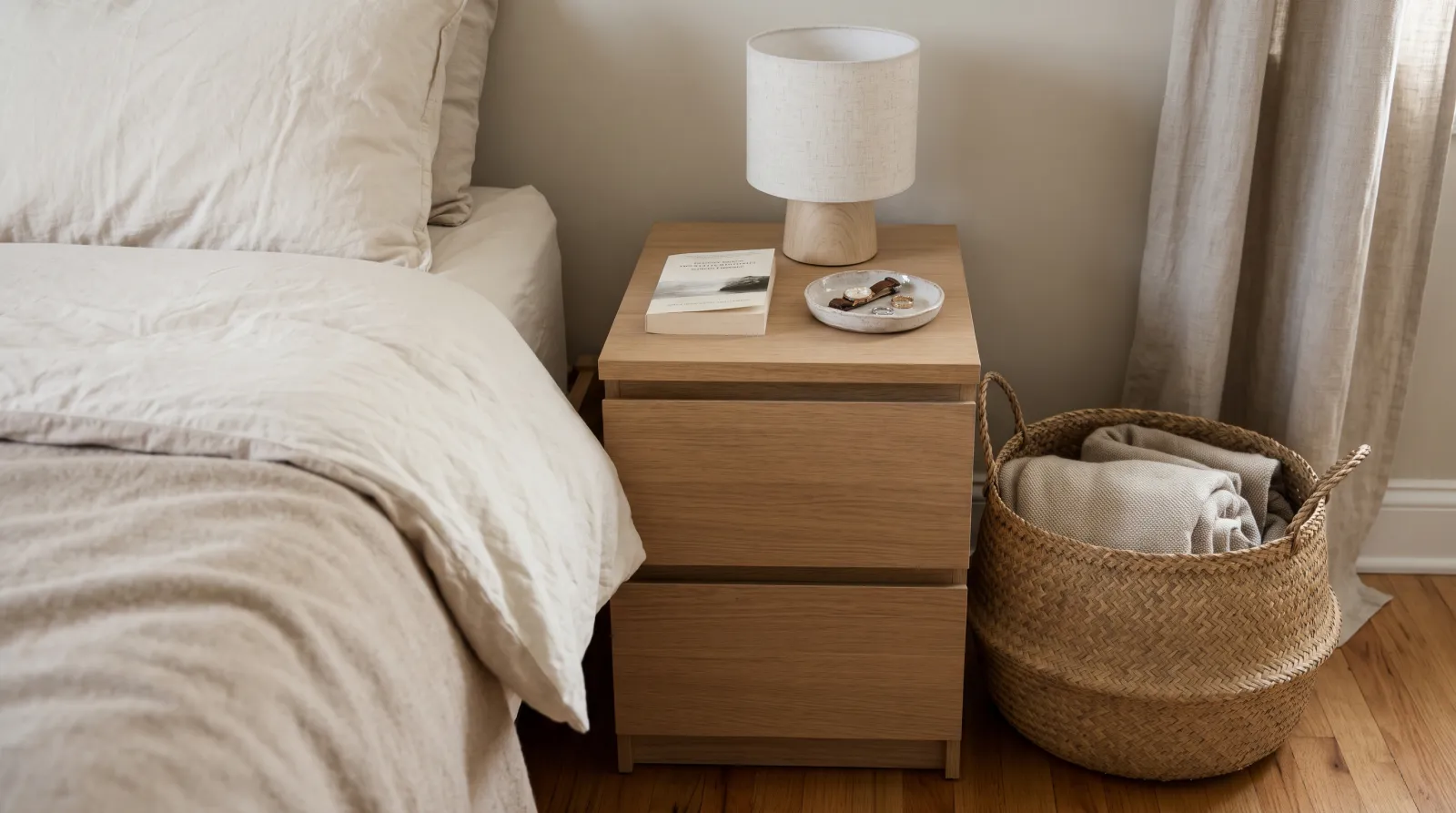
The goal isn't to create a room that looks untouched. It's to make the space easier to use and easier to reset at the end of the day.
If storage is limited, look for opportunities to use existing space more effectively. Under-bed storage boxes, drawer organisers, and hooks behind a door can help, provided they don't make your room harder to maintain.
A simple test: if you regularly move the same item from one surface to another, give it a permanent home.
7. Add Personal Touches That Make the Room Feel Like Yours
A relaxing bedroom shouldn't look as though it came straight from a furniture catalogue. It should reflect the person who sleeps there.
Display artwork you genuinely like, keep a favourite book near the bed, or use a small framed photograph on a dresser. Natural wood, woven baskets, ceramic accessories, and plants can also introduce character without requiring a major redesign.
If you enjoy a modern organic style, combine natural-looking materials with a restrained colour palette. For a softer traditional bedroom, consider subtle floral patterns, classic bedside lamps, or a quilt with gentle colour variations.
Choose accessories for a reason. A decorative tray is useful when it gathers items you reach for every day. A vase works when you enjoy the flowers or branches displayed in it. You don't need to fill every empty surface.
Be selective with fragrance, too. A room doesn't need scented candles, sprays, and diffusers all at once. If you enjoy a particular scent, use it in a way that feels comfortable for you, and never leave a burning candle unattended.
Personal details make a room feel finished when they have space to stand out.
8. Make Your Bedroom Comfortable in Every Season
A cozy bedroom should work in summer as well as winter. The trick is adjusting the materials and layers instead of treating coziness as a permanently heavy, warm look.
During colder months, keep an extra blanket within reach, use warmer-feeling bedding, and consider heavier curtains if they suit your window and room. A rug beside the bed also makes getting up more comfortable when the floor feels cold.
In warmer weather, swap heavy layers for lightweight cotton or linen bedding. Open windows when outdoor conditions allow, and use curtains to manage strong sunlight and privacy.
Your personal comfort matters more than following a seasonal colour trend. If thick bedding makes you too hot, remove it. If a dark room feels gloomy during the day, introduce lighter textiles or make better use of natural light.
For a bedroom that feels relaxing at bedtime, keep the environment comfortable, reduce unnecessary noise where possible, and choose lighting that suits your evening routine.
Common Mistakes That Can Make a Cozy Bedroom Feel Less Relaxing
A few popular decorating choices can work against the atmosphere you're trying to create.
Too many decorative pillows: They make the bed look full but can become an annoyance when you need to sleep. Keep the pillows you use and a small number of extras.
Matching everything exactly: Identical bedding, curtains, cushions, and accessories can make a room feel flat. Introduce subtle differences in texture or tone instead.
Relying only on overhead lighting: A single bright light doesn't offer much flexibility. Add a bedside lamp or another suitable light source.
Buying decor before fixing storage: More accessories won't solve a clutter problem. Clear the surfaces and organise the essentials first.
Ignoring everyday comfort: A beautifully styled room isn't useful if the bedding is uncomfortable, the curtains let in unwanted light, or the furniture makes movement difficult. Address the practical issues before chasing a particular aesthetic.
Frequently Asked Questions
How can I make my bedroom cozy on a budget?
Start by rearranging what you already own. Change your bedding, fold a throw across the bed, clear your nightstand, and use a lamp for softer evening lighting. Buy new items only when they solve a specific problem or add something your room genuinely lacks.
What colours make a bedroom feel cozy and relaxing?
Cream, warm white, beige, taupe, muted green, soft blue, and earthy brown are useful options. Choose colours that suit your existing furniture and lighting rather than following a palette that doesn't feel right in your space.
How do I make a small bedroom feel cozy without making it look smaller?
Keep walking paths clear, use a few soft textiles, and avoid oversized accessories. Wall-mounted shelves, compact storage, and coordinated bedding help create a comfortable atmosphere without taking up unnecessary floor space.
What bedding is best for a cozy bedroom?
Choose bedding that feels comfortable against your skin and suits your room's temperature. Cotton and linen are useful lightweight options, while brushed cotton or flannel can feel warmer in colder weather. The best choice is the one you enjoy sleeping in.
How can I make my bedroom feel cozy without buying new furniture?
Focus on the details you can change easily. Rearrange your bedding, move an existing lamp beside the bed, display artwork you already own, and clear surfaces. A more comfortable arrangement often matters more than new furniture.
How do I make my bedroom feel relaxing at night?
Use softer evening lighting, put away distracting clutter, and keep your bed comfortable. Reduce noise where possible and create a simple wind-down routine that suits you. Keep the room at a temperature that feels comfortable for sleeping.
Give Your Bedroom One Small Upgrade Tonight
You don't need to change your entire bedroom to make it feel more inviting. Start with the bed, soften the lighting, and remove the clutter that makes the space harder to relax in. Then add texture or a personal detail only where it makes a difference.
My recommendation: Begin with one change you can make tonight without spending anything. If the room already feels calmer, keep that improvement and build from there rather than buying a new collection of decor.


Leave a comment
Share your thoughts or how you styled your space. Your email is never shown.